
How to Use a Steel Pan like a Non-Stick
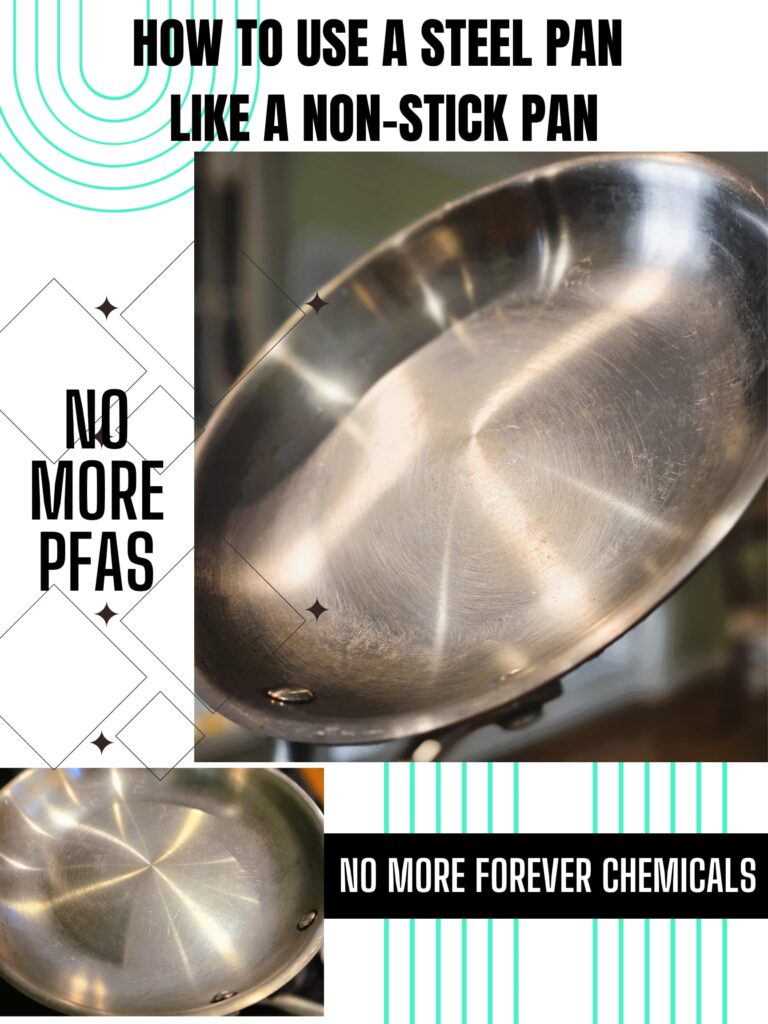
Cook like a pro without all that PFAS
Steel pans are one of the few solutions to cooking without PFAS or “forever chemicals” because they’re naturally non-stick — if you know how to properly activate them.
We’ll show you our trick to using a steel pan like a non-stick pan. (It’s super easy. And no water-drop test required).
What’s more frustrating than having to scrape off burnt food from a pan, and having a dish ruined because half of it stuck onto the bottom of the pan? Getting cancer. Getting your hormones messed up. Those are way more frustrating.
Luckily, with the stainless steel pan, there’s a way to avoid all of that.
What are PFAS?
Alas, teflon-coated non-stick pans work wonders in the kitchen. Thanks to PFAS, per- and polyfluoroalkyl substances, known as “forever chemicals,” food glides right off. Sweet. Cleaning barely requires more than a wipe with a soft sponge. Excellent.
It’s true. PFAS are what make non-sticks, non-stick. But they’re not good news.
The costly truth with PFAS and non-sticks.
PFAS allow for easy, frustration-free cooking, but convenience, as we know too well, comes at a cost. PFAS wreak havoc on our health (e.g., cancer, endocrine disruption, higher risk of diabetes, lower birth weight in babies, etc.) (Source: Stanford Medicine) and the environment (think drinking water and soil contamination) due to the pervasive presence and persistence of these forever chemicals in the environment and our bodies (Source: EPA).
In other words, they don’t break down and they don’t go away. The worst part is that they’re everywhere – in our drinking water and integrated in everyday household items (like your non-stick pans) under the guise of convenience. The most frightening part is that we’re only barely scratching the surface of how harmful they are (Source: EWG).
Luckily, alternatives for PFAS-free pans exist: steel pans, carbon steel pans, and the cast iron pan. And the best thing? These alternatives perform just as well, if not better, than the cancer-brewing non-stick.
Why the Stainless Steel Pan
In this post, we’ll focus on the stainless steel pan. Why? Because steel pans are often more versatile in the kitchen due to the various shapes and sizes that are manufactured and made available in western kitchens (where we’re based). Additionally, the stainless steel pan is preferred in many kitchens for its ability to nicely sear a golden brown on most dishes, without burning. For eggs, omelets, and chicken, stainless steel has been great for searing a perfect golden brown, even adding a light crisp to some dishes.
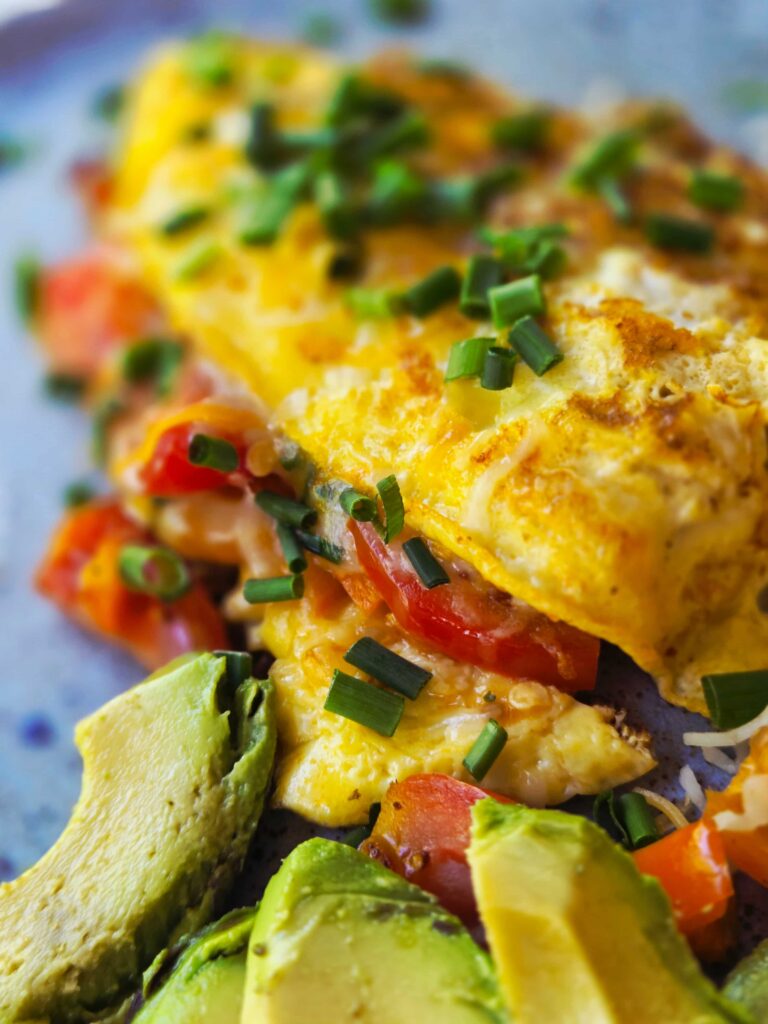
activating the stainless steel pan is easier than you think
Plus, I’ll admit that I’m particularly proud of having mastered the stainless steel pan. It required a good amount of research and consistent trial and error that I can barely hold back from sharing.
I promise, unlocking the stainless steel pan to its full, natural non-stick potential is easier than you think.
The Science Behind It
Before we dive into how to properly activate the stainless steel pan, let’s understand the science behind it first, particularly the thermal expansion behind it that serves as the trick to activating the steel pan’s natural non-stick properties.
Stainless steel pans are made of, well, steel. There are two key things to know about stainless steel in the kitchen (Source: PopSci):
- Cold Steel is Porous. While steel may feel smooth to the touch, it’s actually quite porous microscopically when cold or at room-temperature. Therefore, never add food, like an egg or a raw chicken thigh, to a steel pan right away, as the protein will bond to the metal surface of the pan.
- Hot Steel is Smooth. Heat causes the steel to expand, making it smooth. Steel expands when heated. Steel when cold is microscopically porous. Heat activates stainless steel’s natural non-stick properties
Cold steel is porous. Hot steel is smooth.
So, remember: Cold steel is porous (i.e., stick-bait), but hot steel is smooth. When you add heat to a steel pan, metal expands and the pores get smoothed out. Adding food before the steel pan is properly heated will result in the food sticking to the porous pan, while applying food to a steel pan that’s already expanded (i.e., hot enough), results in a smooth searing and non-stick cooking effect.
In summary, make sure that stainless steel pan gets hot enough before any cooking takes place.
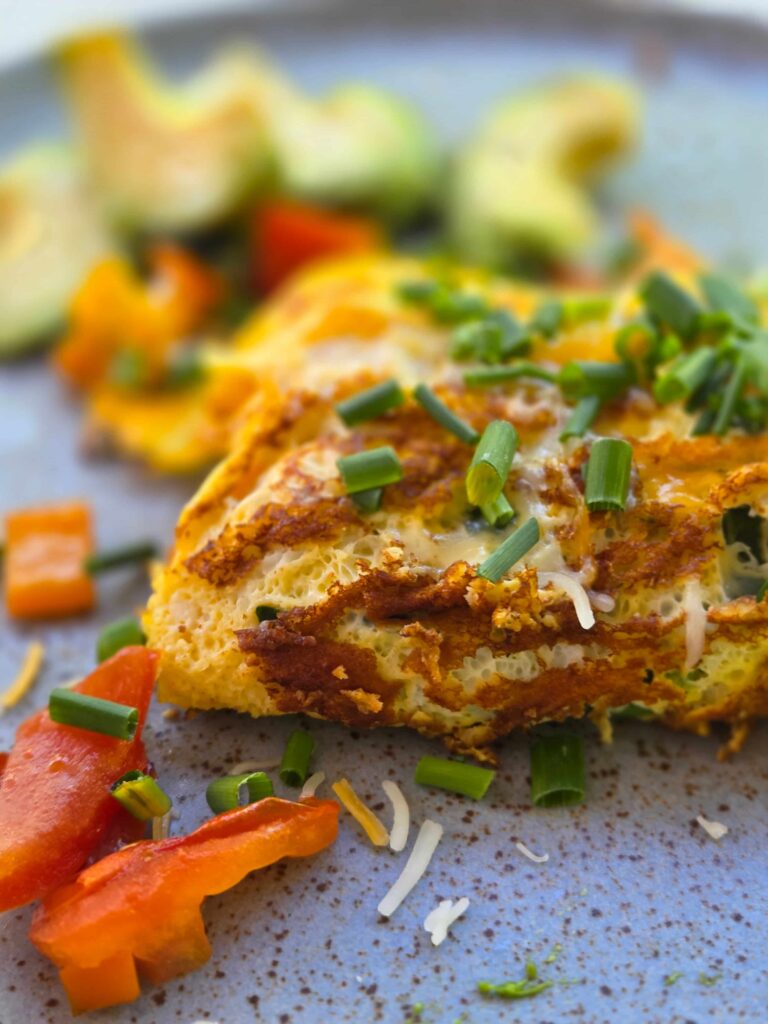
How Hot is "Hot Enough"?
How do you know when the pan is hot enough? The answer is to let it rip-ple. When you see the ripples, like these below, it’s ready.

How do you get those ripples? We’ll explain below.
How to Activate the Stainless Steel Pan’s Natural Non-Stick Properties
Most tutorials will tell you to apply the “Water-Drop Test” where you add a few droplets of water and wait for the water to run off like beads as a sign of the pan’s temperature and readiness.
But I skip that step. AGT. Ain’t got time. Growing up, this is how things went down in the kitchen: pan, stove, fire, oil, sautee. Who’s got time to apply a water test before cooking? We’re skipping straight to adding the oil to our pan.
But won’t the oil burn? Sure, if you let it. But we won’t.
Here's how to use the Stainless Steel Pan like a non-stick
- Put steel pan on the burner
- Turn on fire/burner to medium-high ish heat
- Add your usual amount of oil (enough to barely coat the surface of the pan)
- Let it sit for 1-2 minutes (which is when I divert to a quick chopping and preparing of other ingredients right beside the stove so as not to forget that the fire’s on)
- Check on the steel pan, swivel the oil around. Get the oil to cover the bottom surface of the pan. Look for ripples as you tilt the oil from one edge of the pan to the other. You might see one or two ripples forming, but wait. You need more ripples.
- Give it a few more seconds on the burner
- Give it another swivel or tilt. Once you see full on ripples in the oil, your pan is hot enough.
- Time to sear without any sticking.
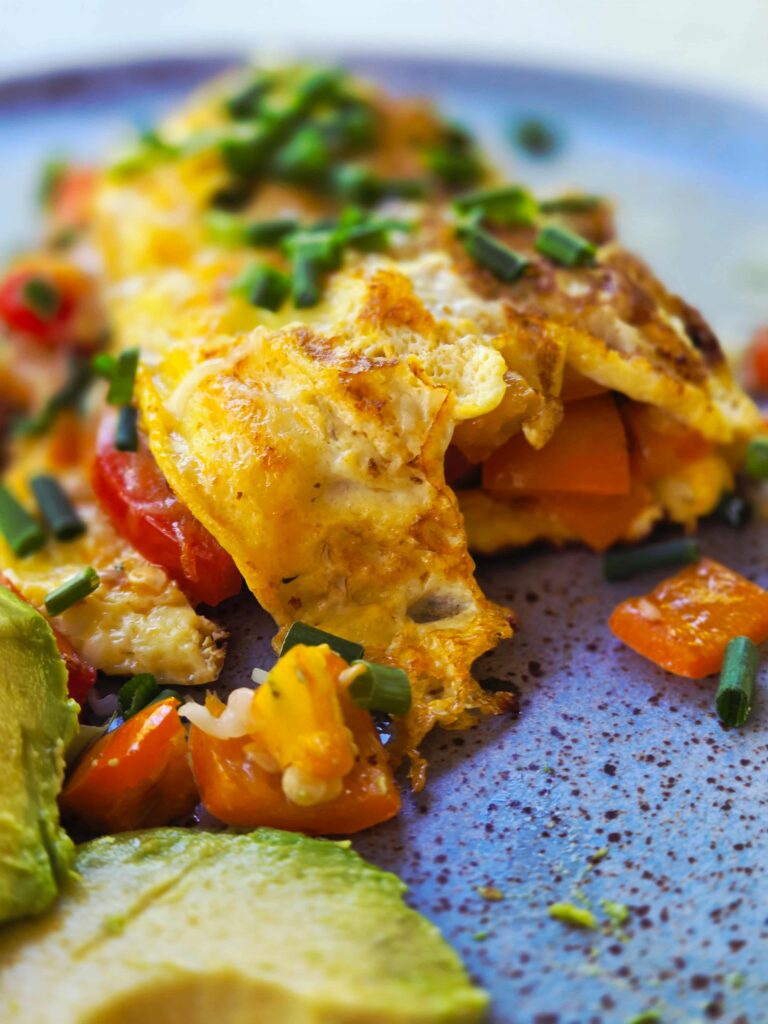
Watch this video for the full instructions. Watch me pull off cooking an omelet with a steel pan, as if it were a non-stick pan (video).
Ready to cook like a pro with that stainless steel pan?
Let us know what you think!
Did you try this? How’s your stainless steel pan cooking journey going? Leave us a comment below or share with someone who might get a kick out of this post.
To Share
Cooking feeds the soul, not just the stomach.
Imperfectly Wabi Sabi recipes are focused on simple, comforting, and fresh ways to make food by blending family tradition, creative ways to “use what we got” – food scraps, left-overs, and all – and by using ingredients grown from our very own regenerative Garden.
There’s no wasting around here. Only garden-to-table and family tradition wrapped tastefully together. Happy Wabi Sabi in the Kitchen.


You May Also Like

Carefree Apricot Crostata (with the Flakiest & Butteriest Crust)
July 7, 2026
Hot and Sour Soup (Quick, Simple, and Vegetarian)
December 16, 2025
One Comment
EAARL
Thanks for the tip!