
John Muir – O.G. Hippie (and Reluctant Fruit Farmer)
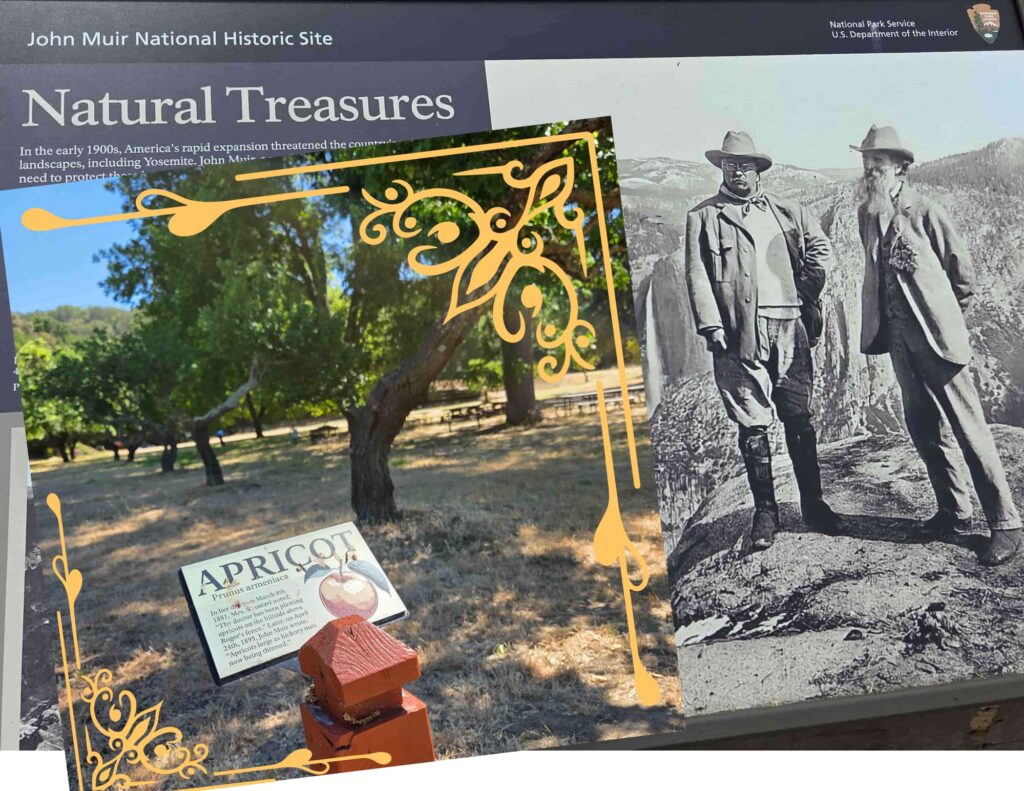
John Muir, O.G. Hippie and ... Reluctant Fruit Farmer?
The path crunches beneath my feet as I look ahead to the grove of little trees. Their trunks wind with character, weathered with age, just tall enough to support a canopy of shade. Summers here get hot, but the sunny rays bring sweet, fuzzy beauties.
Off this beaten gravel path (so hackneyed, yes, I know … but how could I resist?) grows rows of apricot trees, mixed with pears and grapes, and a few quinces too.
I reach up and give the apricot a gentle tickle.
“Never would have taken that tall bearded fellow for a fruit farmer...”
“Never would have taken that tall bearded fellow for a fruit farmer,” I think as I tuck a few fallen apricots into my bag. They won’t mind, right?
A little bruised, but still good.
This apricot, these peaches … this orchard, all grown and maintained by John Muir (well, his staff).
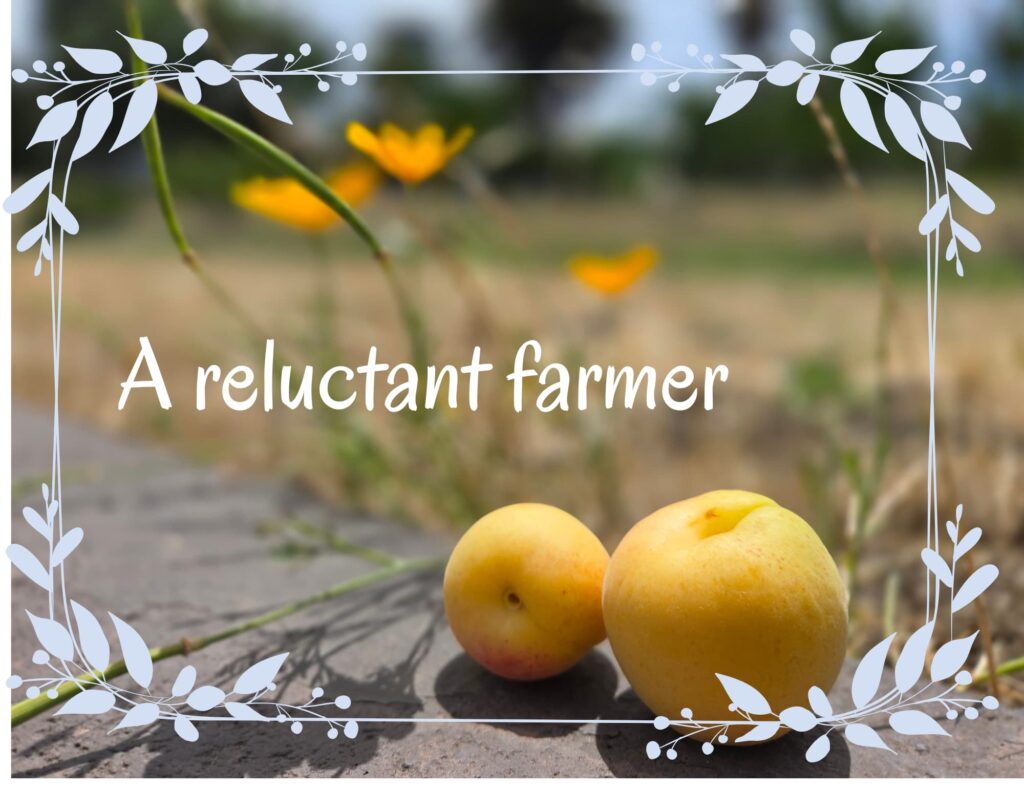
Hippie at Heart, Fruit Farmer by Trade
Most people think of trees, mountains, and the great outdoors when they think of John Muir.
But before he became the “Godfather” of the modern-day conservation movement and the Founding Father to the National Parks System, John Muir was a fruit farmer – and a reluctant one at that.
The John Muir National Historic Site, tucked away in the historic town of Martinez, CA, pays homage to the visionary and activist who dedicated his life to protecting wild and open spaces, nature at its most pristine.
It preserves the John Muir House as it stood where we wrote his letters and his books and where he watched his children grow. Surrounding it lies a vast orchard, with groves of peaches, pears, nectarines, and even pomegranates, in stands closely resembling the layout of how the fruit ranch was cared for during Muir’s lifetime.
I came to see the House expecting to learn more about Muir’s work in conservation, but I had blissfully wandered off and lost myself in the orchard, all 336 remaining acres of it.
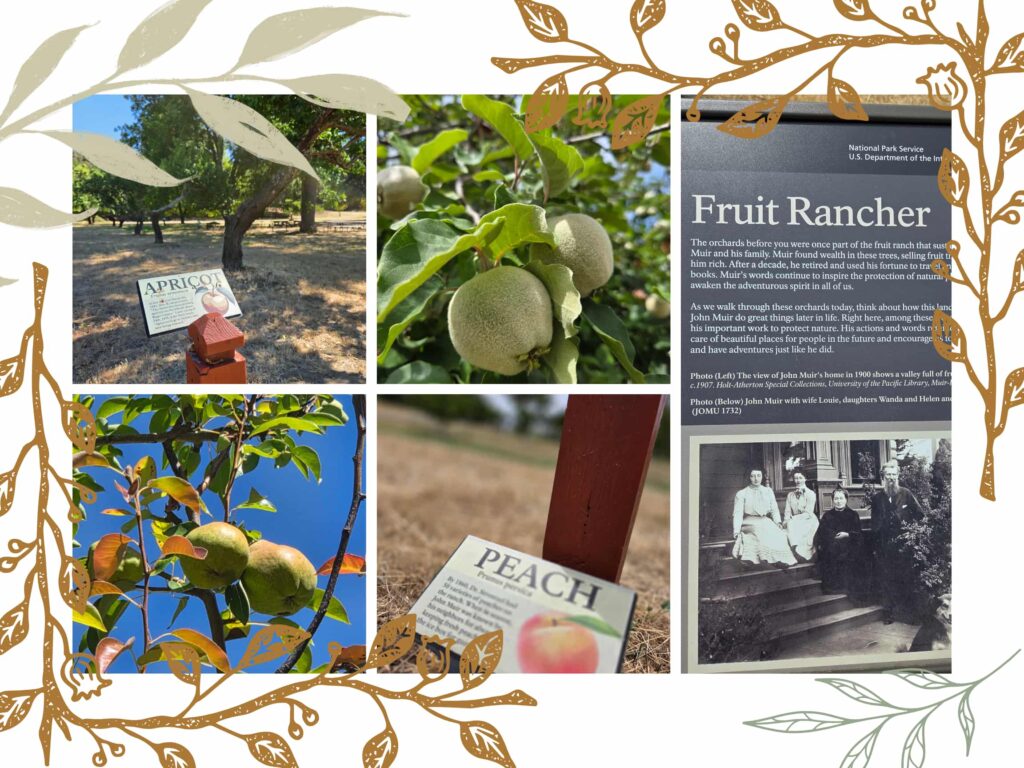
Tradition and nature (slightly pruned)
All these fruit trees … at one point with more than one thousand varieties and ornamentals, and 50 different varieties of pears (Source: NPS), with the olive trees and quinces to attest. They’ve been here since the 1860s, after all. The apricots may not be as old, but at 50 years (they were planted in the 1970s), they pre-date millennials and gen-zers, which alone deserves enough street cred. Yet these gnarled, curvy, knotty mid-century old trees still offer the plumpest and sweetest of fruits. Old but still kickin’.
Did Muir find this as fascinating as the forests? Wouldn’t bet on it.
The Reluctant Farmer
Nature and wild places sit at the heart of John Muir’s writing and legacy.
Fruit trees? Meh. They came with the territory.
This was a life he married into, that he ultimately inherited. His wife’s father, a medical doctor and an avid horticulturalist, built the house and fruit ranch that Muir ultimately took over upon his father-in-law’s death.
Whether he loved it or hated it, this fruit ranch was how Muir made his wealth. It brought in good money, and the financial freedom to pursue his true passions of protecting wild and open spaces, and the legacy we all know him for today (Source: NPS).
Without these fruit trees, we may have never known of a National Park.
Healthy Soils, Healthy Orchard
The John Muir House stands preserved in time. The Orchard, on the other hand, balances preserving the history of the land – growing certain varieties of fruit trees, like the peaches, where they were shown to have grown based on historical records – while also adapting to the shifting conditions around it. The orchard has seen no shortage in changes with climate and rainfall patterns, increasing development pressures, and even its fair share of trendy “modern” ag practices with their shady promises of quick, end-all-be-all, too-good-to-be-good-for-you solutions. In the end, it was the old but tried and true, sustainable methods that prevailed.
Land stewardship is kind of a big deal here, after all.
Land stewardship is kind of a big deal here, after all.
Today, the Orchard operates on a strict no-till and pesticide-free basis, thanks to the arborist who also practices holistic, biodynamic methods in his own garden at home. He casually references various “schools of thought” on land management and points to the piles of dirt toward the far corner. He pushed hard for those.
They were once considered “eye sores” that were hauled off to landfills to keep the place neat.
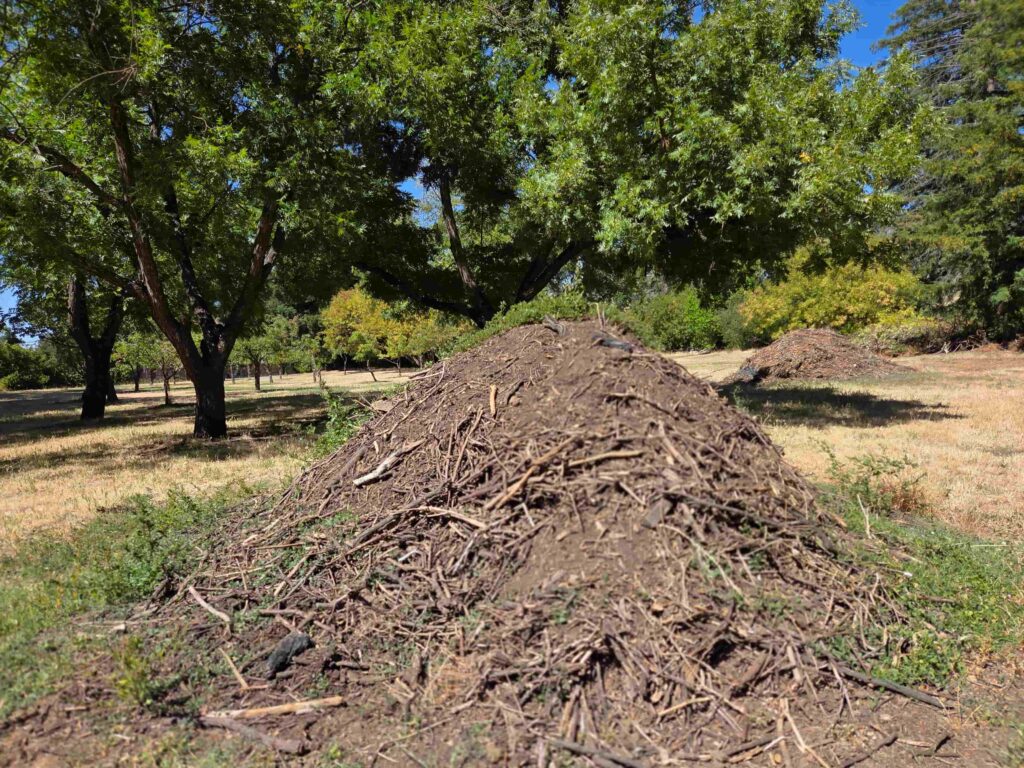
But now, the hot, steamy piles of food scraps and weeds sit openly beside the fruit trees whose roots and soil microbiome they nourish. Composting takes place on-site now, where the weeds, leaves, and fallen fruit get their second wind, feeding the soil critters who in turn create (but really, poop) the richest nutrients to give right back to the fruit trees.
… Just as nature had done for so long.
In a generation that has lost much of its connection to the land, you could say that the presence of those hot, steamy piles were the most radical thing about this place, reinforcing and reminding us of the undeniable connection between humans and nature, no matter how un-pretty.
The Knobby Wabi-Sabi Road
Muir inspired a shift in our relationship with nature – bringing back the wonder and its ecological and spiritual importance. We need that more than ever today.
No one talks about the fruit he grew, or the orchard he maintained. But not all things need a stage to have a place.
And to think, the kind of impact these little fuzzies had in all of that…
“And to think, the kind of impact these little fuzzies had in all of that…,” I think to myself, admiring the warrior apricots I’d snatched, giving them a gentle wash.
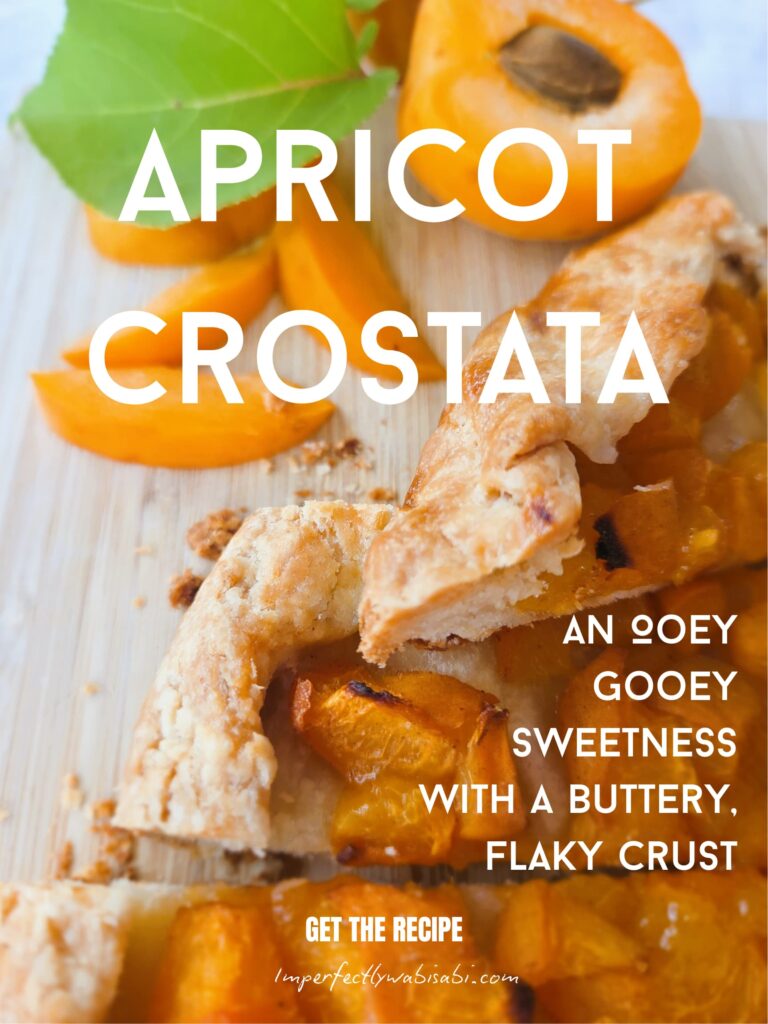
Just enough for a simple summer pastry … a crostata … an apricot crostata.
Nothing too fancy. No pie pan, just gently crimped, oblong, and in no particular shape or size – yet deliciously sweet and simple.
Perfect.
Try the recipe for yourself!
You’ll need to find your own apricots, though 🙂

No particular shape or size -
just deliciously sweet and simple
Come and See for Yourself
Plan your visit to the John Muir National Historic Site
Trip overview
Plan for a visit to the John Muir National Historic Site! Take a stroll in the Orchard and through the John Muir House for yourself. Learn about his early life, pick a fruit off the floor, and enjoy a picnic under the fruit trees.
- Location: John Muir National Historic Site (4202 Alhambra Ave, Martinez, CA 94553)
- Cost: Free!
- Hours: Open 10 am – 5 pm daily (except for Sundays and Mondays)
- Trip Duration: A few hours is more than plenty to explore and soak up the history. Pack a lunch and enjoy the scenery.
Activities & Fun things to do
There are lots of *FREE** things to do at the John Muir National Historic Site! It’s a family-friendly, laid-back place to enjoy the day together, especially with little ones. Here are some family-fun activities you can do while there:
- Ring the bell at the John Muir House (gotta find it first)
- Partake in a scavenger hunt inside the John Muir House
- Get sworn in as a Junior Park Ranger (ask the front desk for a “Junior Park Ranger” workbook)
- Enjoy a picnic under the fruit trees or at a picnic table (plenty of tables provided)
- Check out all the various fruit trees (some as old as the 1860s!)
- Enjoy the music – The John Muir National Historic Site hosts tons of outdoor family events and festivals, so check their website regularly for event updates.
- Learn about the “Godfather” of Conservation and the fruit trees he helped grow
Discover. Feel. Taste.
Liked what you read? Share the Love!
Wabi Sabi. Imperfectly Wabi Sabi.
At Imperfectly Wabi Sabi, we celebrate the imperfections in life. We find beauty in the flaws and the chaos. We believe that damage from being weathered creates its own kind of shine. We’re with you through the journey to find that beauty by sharing stories of culture & identity, navigating life frustrations, and by making and growing good food, as inspired by nature and family traditions.


3 Comments
LisaLisa
What a wonderful perspective on John Muir! Most of us know him for his passion for conservation, so learning about his life as a reluctant fruit farmer was both surprising and fascinating. I really enjoyed how you blended history, personal storytelling, and sustainable farming practices into one engaging read.
Maggie
I indeed think of the woods when I think of John Muir. I grew up in Northern Californian so this hits close to home! I learned so much about him that I never knew. Fascinating!
Mary Ann
Such an interesting post. I learned alot. Thanks!